
Browse our collection by author to explore their works — from celebrated releases to overlooked treasures — and see how each writer contributes to the story of our press.
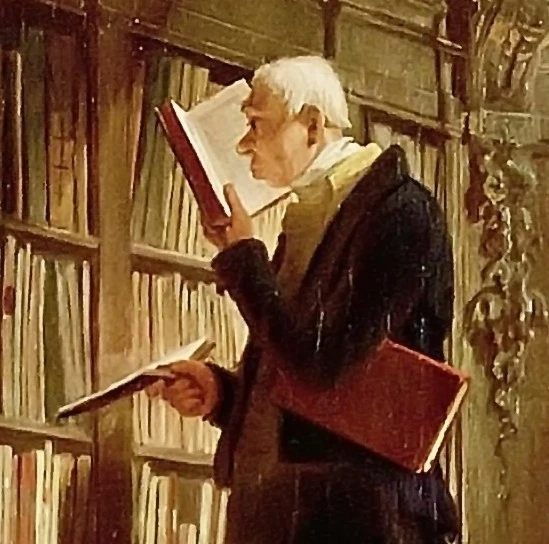
Jake Akins has conducted extensive research into the history of the Western Frontier in North Texas, with particular emphasis on Young, Jack, Palo Pinto, and Parker Counties. This edition presents selected narratives from Wilbarger’s original work, maintaining its historical integrity while offering a focused regional lens.
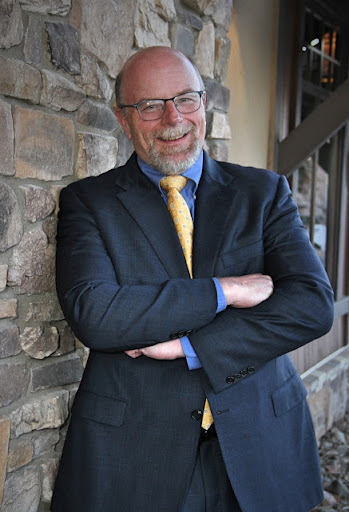
Barry Arrington began his professional journey in 1984 with the public accounting firm Ernst & Whinney (now Ernst & Young). He later pursued law, graduating with honors from the University of Texas School of Law in 1986. Barry’s practice has included civil litigation in the state and federal courts, nonprofit law, and constitutional law with a particular focus on First and Second Amendment freedoms. Barry served as a member of the Colorado House of Representatives from 1997 to 1998 and
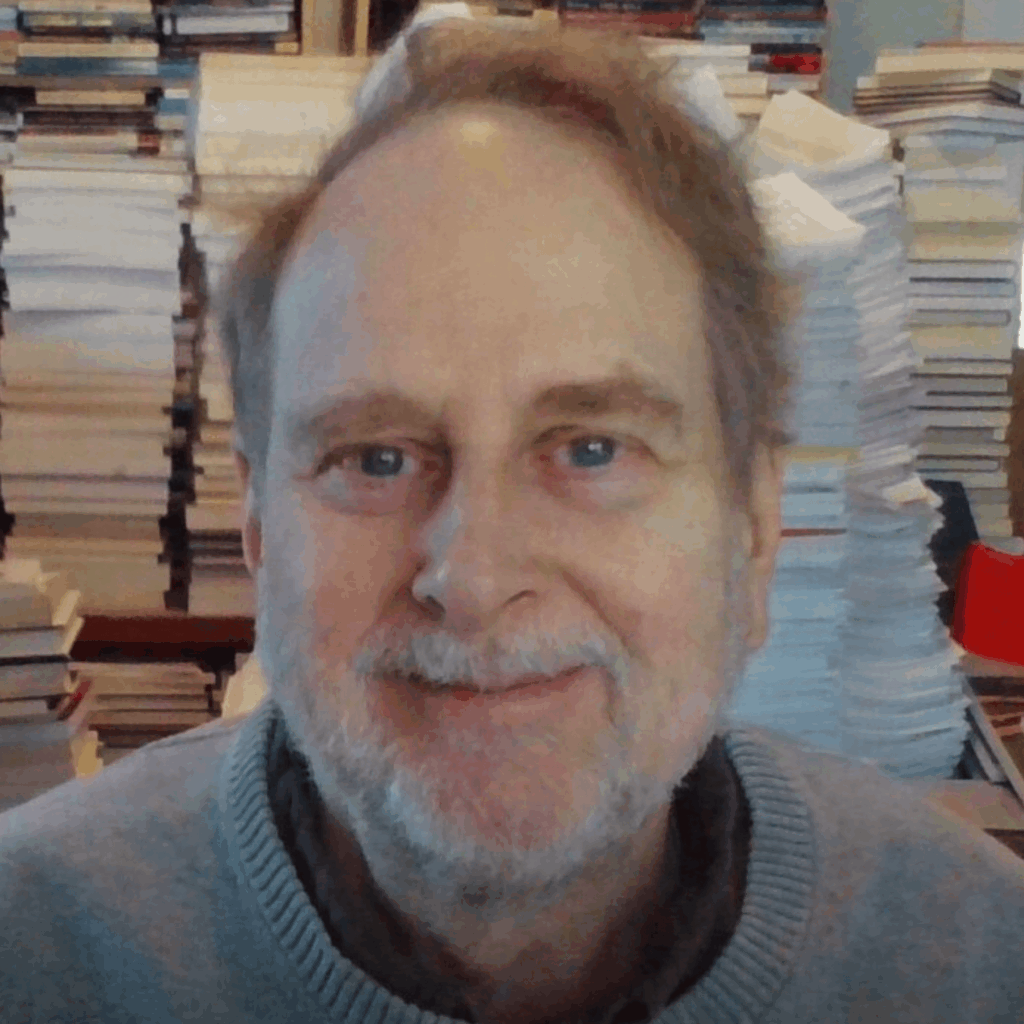
James A. Barham was born in Dallas, Texas, in 1952. He holds a BA (1972) in classics from the University of Texas at Austin, an MA (1976) in the history of science from Harvard University, and a PhD (2011) in the history and philosophy of science from the University of Notre Dame (Indiana).
Pierre L. van den Berghe (1933–2019) was a Congolese-born American sociologist renowned for his pioneering work in ethnic and race relations. Earning a doctorate at Harvard under Talcott Parsons, he rejected structural functionalism in favor of sociobiological approaches. Van den Berghe taught at Harvard, Wesleyan, the Sorbonne, and the University of Washington, where he served from 1965 to his retirement. He conducted fieldwork across five continents, publishing several influential books in sociology, including one about advancing in higher education, namely,
Fr. Michael Chaberek, SThD is a Dominican friar of the Polish Province, with a doctorate in systematic theology from Cardinal Stefan Wyszynski University in Warsaw. He directs the Steno Institute for Faith and Science. He has published three books in English (Catholicism and Evolution, 2015, Aquinas and Evolution, 2017, and Knowledge and Evolution, 2021) and many articles on the faith-science dialogue. He seeks to renew the Catholic theology of creation through a new intelligent-design and progressive-creation paradigm.
William A. Dembski holds doctorates in mathematics and philosophy. A founding senior fellow with Discovery Institute, he has written extensively on intelligent design, including The Design Inference (Cambridge, 1998). His work has supplied intelligent design with a rigorous mathematical underpinning. The author and/or editor of more than 30 books, he has published in the peer-reviewed mathematics, philosophy, theology, biology, and engineering literature.
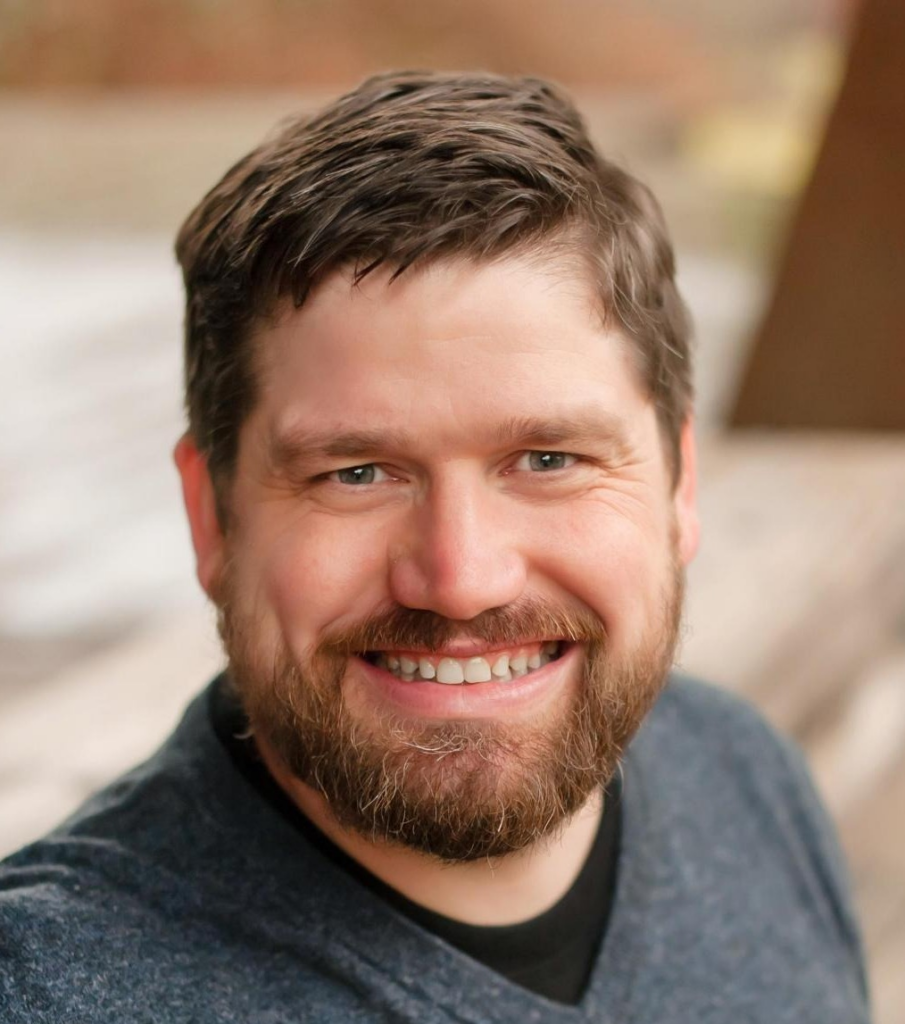
Winston Ewert is a software engineer and intelligent design researcher with a PhD in electrical and computer engineering from Baylor University. His work focuses on computer simulations of evolution, genomic design patterns, and information theory. A Senior Research Scientist at Biologic Institute and Senior Fellow of the Bradley Center for Natural and Artificial Intelligence, Winston has written a number of articles and contributed to several books. He lives with his wife Elyse and their two sons, Malachi and Thatcher, who
Michael A. Flannery is Professor Emeritus, UAB Libraries, University of Alabama at Birmingham. He has published and taught in the field of medical history, bioethics, and the history and philosophy of science for over thirty years. His most recent books include Nature's Prophet: Alfred Russel Wallace and His Evolution from Natural Selection to Natural Theology (University of Alabama Press, 2018), America's Forgotten Poet-Philosopher: The Thought of John Elof Boodin in His Time and Ours, SUNY Series in American Philosophy and
Steve Greene is Director of Holy Family Institute of Catholic Faith and Life and host of the Reasonably Rational YouTube podcast. He has taught philosophy, theology, and ethics for a variety of institutions, and presents regularly on issues of faith, science and culture.
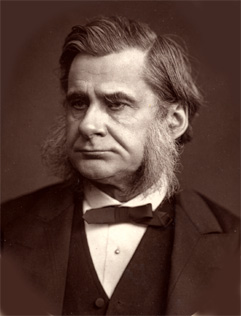
Thomas Henry Huxley (1825–1895) was a British biologist, anthropologist, and educator, often called "Darwin's Bulldog" for his unyielding defense of Charles Darwin's theory of evolution. Born in Ealing, England, he was largely self-educated, excelling in science and medicine. Huxley made significant contributions to comparative anatomy, particularly in studying marine invertebrates and vertebrate evolution. A prolific writer and lecturer, Huxley actively promoted scientific education, serving on the London School Board and striving to make education widely accessible.
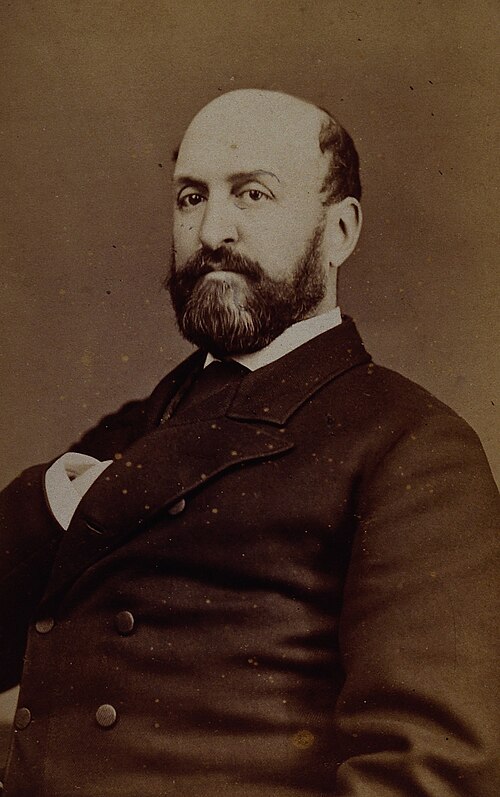
St. George Jackson Mivart (1827–1900) was a Victorian naturalist and expert in primate comparative anatomy. A London-born convert to Catholicism, he gained fame for On the Genesis of Species (1871), a scientific critique of Darwinian natural selection. Mivart wrote extensively on mammalian anatomy and humanity’s spiritual nature but later faced conflict with both Darwinists and Catholic authorities, dying excommunicated.
Denis Noble is Emeritus Professor of Cardiovascular Physiology in the Department of Physiology, Anatomy, and Genetics of the Medical Sciences Division of the University of Oxford, where he held the Burdon Sanderson Chair of Cardiovascular Physiology, 1984–2004. A pioneer in computer modeling of biological organs and systems, Noble received his PhD from University College London. He is the author of several books, including The Music of Life: Biology Beyond Genes (Oxford UP, 2008), Dance to the Tune of Life: Biological
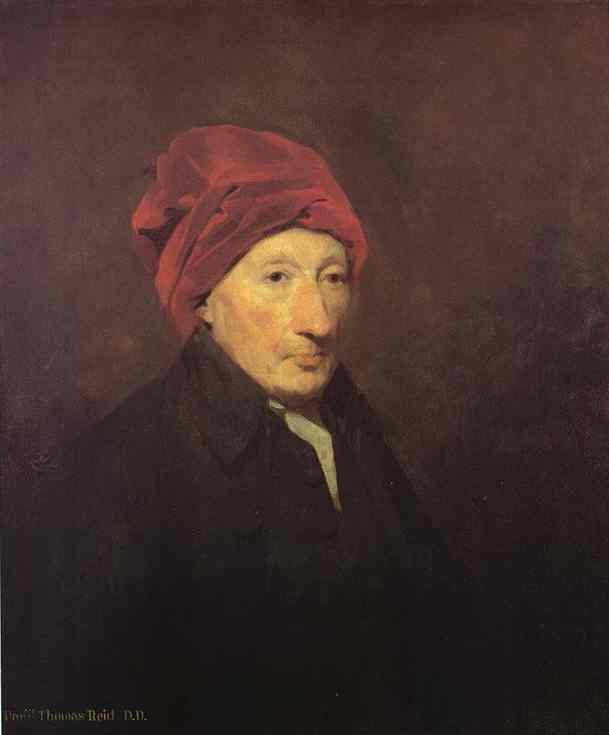
Thomas Reid (1710–1796) was a Scottish philosopher and the founder of the Scottish School of Common Sense. He taught at King's College, Aberdeen, and later succeeded Adam Smith at Glasgow. His works include An Inquiry into the Human Mind (1764), and his natural theology lectures, given at Glasgow in 1780, were first published in 1981.
Alex Thomas began his career as an advertising copywriter and radio producer in Dallas and Houston. Since then, he has worn a variety of hats including music producer, radio syndication executive, publisher, editor, and communications consultant. He has a special interest in the history of education and the role of education in American culture. Alex was educated at Houston Baptist University, Vanderbilt University, and University College, Oxford.
J.W. Wilbarger devoted decades to collecting testimony and documentary evidence concerning Indian depredations across the Texas frontier. His work remains centered on the counties most deeply affected by nineteenth-century raids and reprisals.
David Sloan Wilson is SUNY Distinguished Professor in the departments of Biology and Anthropology at Binghamton University. His research interests focus on multilevel selection theory, human evolution, and differentiation within species, populations, and individuals. Wilson received his PhD from Michigan State University. He is the author of many books, including Evolution for Everyone: How Darwin’s Theory Can Change the Way We Think About Our Lives (Delta, 2007), Does Altruism Exist?: Culture, Genes, and the Welfare of Others (Yale UP, 2015),
© 2025-2026 . All rights reserved.